



Newsletter
Join life in the fast lane
You'll be the first to learn about the latest News, Events, Inventory, New Models....and more.
Thirty-three examples of the Ferrari 275 take a road trip to Maranello, celebrating 60 years since the introduction of the legendary 275 GTB4.
When the final Ferrari 275 left the Maranello production line in 1968, few could have imagined that 33 examples would return nearly six decades later. Yet that’s exactly what happened in early May, when the Legacy Tour 2026 celebrated 60 years since the unveiling of the 275 GTB4 at the Paris Salon de l’Automobile in 1966.
Joined by their 275 GTB and GTS siblings, GTB4s from around the world explored some of Italy’s finest driving roads and most picturesque scenery before parading through Maranello to mark the anniversary in style.
Replacing the 250 GT Lusso at launch in 1964, the 275 GTB represented a major step forward for Ferrari’s road-going grand tourers. Penned by Pininfarina rising star Aldo Brovarone, the berlinetta combined taut proportions with elegant surfacing, its long bonnet, muscular rear haunches and short Kamm tail creating one of the defining silhouettes of the era. Beneath the sculpted bodywork, hand-formed by Scaglietti around a tubular steel chassis, lay Gioachino Colombo’s legendary V12 engine, enlarged to 3.3 litres and producing up to 280 cv in early two-cam form.
Arguably more transformative, however, was the adoption of independent rear suspension in place of a live rear axle, and a rear-mounted transaxle gearbox that delivered significantly improved weight distribution and handling balance.
The GTB was joined by the GTS Spider later the same year – an open-top model that, while mechanically similar, featured completely distinct Pininfarina bodywork – before, in 1966, the 275 reached its pinnacle with the GTB4. Fitted with four overhead camshafts inspired by the 275 P2 and 330 P3 sports prototypes, the V12’s power rose to 300 cv, cementing the 275 GTB4’s status as one of the defining Ferrari grand tourers.
Celebrations for the 60th anniversary began on 5 May as owners arrived at a restored medieval borgo near Perugia, a former noble estate surrounded by olive groves, ancient woodland and sweeping views of the Umbrian countryside. Following a welcome briefing and gourmet dinner, participants had the opportunity to connect with fellow 275 owners before retiring for the evening ahead of two days’ driving.
Together, the convoy explored routes that threaded through Umbria’s rolling landscapes and panoramic hilltop villages, passing through Bevagna, Monte Castello di Vibio and Spoleto as owners savoured both the dramatic scenery and the capabilities of their cars.
The pace was intentionally relaxed, creating ample opportunity to appreciate the 275 while enjoying the hospitality and cuisine laid on at various stops along the way. There was peace of mind, too, in the form of the factory technicians on hand to ensure each car performed exactly as intended.
After a third night’s stay in the tranquility of Umbria, the Legacy Tour headed north towards Maranello for its emotional conclusion on Friday. Even in a town synonymous with the Prancing Horse, the arrival of 33 Ferrari 275s made a memorable impression as the convoy entered the factory grounds before parading along Viale Enzo Ferrari.
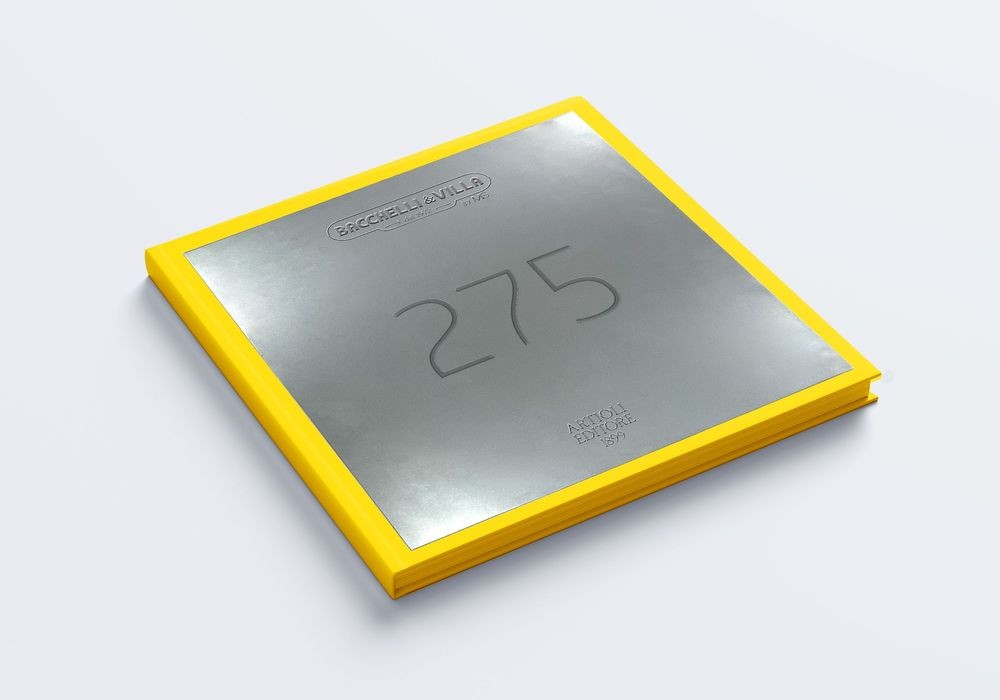
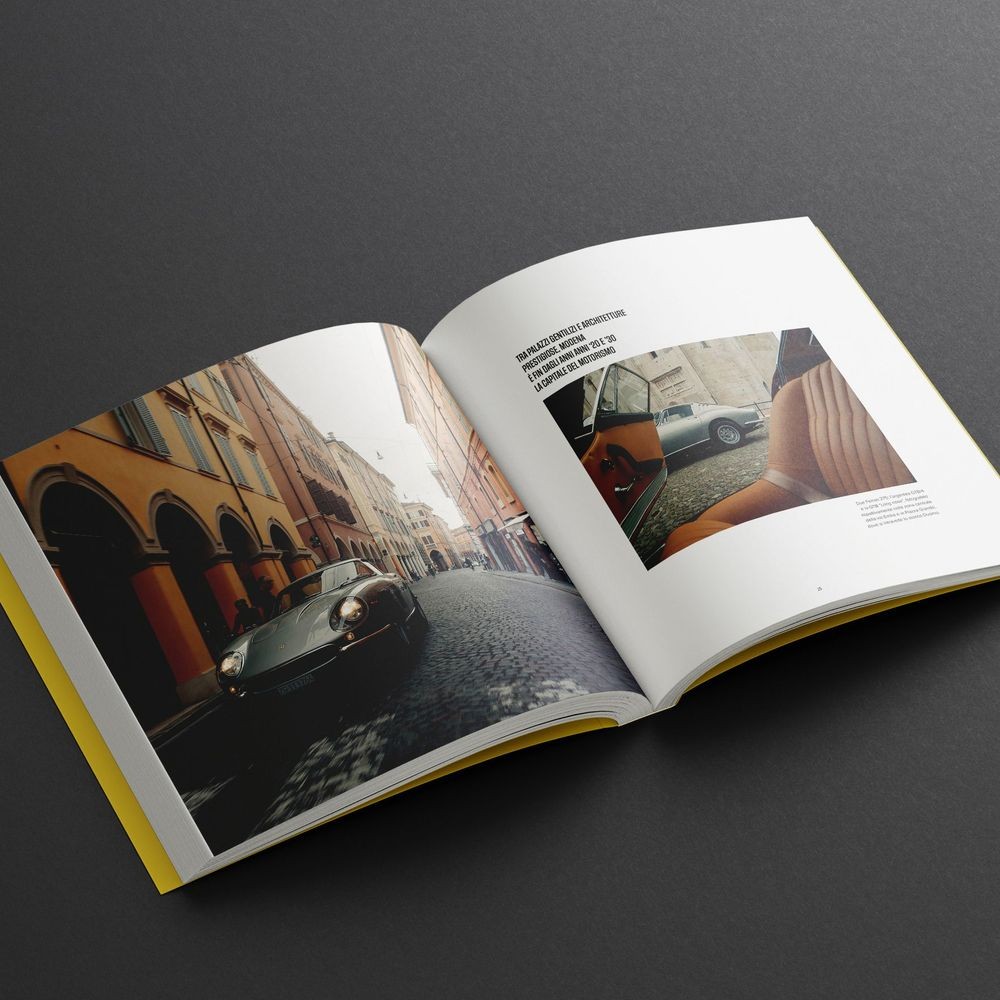
As the automotive landscape evolves to encompass the growing popularity of classic cars, the 275 Book has been published to serve as an homage to the history, lineage, and craftsmanship of the acclaimed grand-tourer manufactured by Maranello based carmaker Ferrari between 1964-1968. Limited to just 1,275 copies, the 275 Book opens with a personal foreword from Piero Ferrari, drawing from memories with his father Enzo Ferrari. Presented within its 275 pages, the book also includes a comprehensive period correct color catalogue; previously unseen original factory production and technical documents from Ferrari; and Charles Leclerc, Scuderia Ferrari driver and 275 owner, in his very own 275.
Created for those who see the Ferrari 275 not only as a car but as an idea. The book examines its technical, historical, and cultural significance.
